

Understanding Hair Loss and Regrowth
As someone who has struggled with hair loss, I know firsthand the frustration and self-consciousness that can come with it. Whether it’s due to genetics, stress, or other factors, experiencing thinning hair or bald spots can be a real blow to our confidence and sense of self. However, I’m here to tell you that there is hope. With the right approach and the right information, it is possible to achieve hair regrowth and restore your luscious locks.
In this comprehensive guide, I’ll dive deep into the science behind hair loss and regrowth, exploring the common causes and effective solutions. We’ll cover natural remedies, lifestyle changes, and cutting-edge treatments that can help you reclaim your healthy, vibrant hair. By the end of this journey, you’ll be equipped with the knowledge and tools to take control of your hair’s destiny and embrace a future filled with abundant, beautiful hair.
Common Causes of Hair Loss
Hair loss can be a complex and multifaceted issue, with a variety of underlying causes. Understanding the root causes of your hair loss is the first step in developing an effective plan for regrowth. Some of the most common culprits include:
- Genetics and Heredity
- Hormonal Imbalances
- Stress and Anxiety
- Nutritional Deficiencies
- Medications and Medical Conditions
- Aging and Menopause
- Hairstyles and Treatments
By identifying the specific factors contributing to your hair loss, you can tailor your approach and target the root cause, rather than just treating the symptoms.
The Science Behind Hair Regrowth
To truly understand the path to hair regrowth, it’s essential to delve into the science behind the hair growth cycle. Hair follicles go through distinct phases, including the anagen (growth), catagen (transition), and telogen (resting) phases. Disruptions in this cycle can lead to excessive shedding, thinning, and ultimately, hair loss.
The key to successful hair regrowth lies in understanding and supporting the natural hair growth process. This involves stimulating the follicles, nourishing the scalp, and creating an environment that promotes healthy hair development. By harnessing the power of science, we can unlock the secrets to restoring your luscious locks.
Natural Remedies for Hair Regrowth
While pharmaceutical treatments and advanced therapies can be effective, many people prefer to explore natural remedies for hair regrowth. These holistic approaches often focus on nourishing the scalp, stimulating blood flow, and providing essential nutrients for healthy hair growth. Some of the most promising natural remedies include:
- Essential Oils: Oils like peppermint, rosemary, and lavender have been shown to improve blood circulation and stimulate follicle activity.
- Herbal Supplements: Herbs like saw palmetto, ginkgo biloba, and ginseng can help balance hormones and support hair regrowth.
- Scalp Massages: Regular scalp massages can improve blood flow and promote the delivery of nutrients to the follicles.
- Aloe Vera: The soothing and nourishing properties of aloe vera can help soothe the scalp and support healthy hair growth.
- Onion Juice: The sulfur compounds in onion juice have been found to stimulate the regrowth of hair.
By incorporating these natural remedies into your hair care routine, you can take a holistic approach to addressing the root causes of your hair loss and promoting healthy, vibrant hair.
Lifestyle Changes for Promoting Hair Regrowth
In addition to targeted treatments and remedies, making positive lifestyle changes can also play a significant role in supporting hair regrowth. Here are some key adjustments you can make to create an environment conducive to healthy hair growth:
- Stress Management: Reducing stress through practices like meditation, yoga, or simply taking time for self-care can help regulate hormones and minimize hair loss.
- Nutritious Diet: Consuming a balanced diet rich in protein, vitamins, and minerals can provide the essential nutrients needed for strong, healthy hair.
- Hydration: Drinking plenty of water can help nourish the scalp and support the overall health of your hair.
- Gentle Hair Care: Avoiding harsh styling products, excessive heat, and tight hairstyles can prevent further damage and breakage.
- Sleep Quality: Ensuring you get enough quality sleep can support the body’s natural hair growth cycle and promote overall well-being.
By making these lifestyle adjustments, you’ll create an environment that is primed for hair regrowth, helping you achieve the luscious locks you desire.
Hair Regrowth Treatments and Products
While natural remedies and lifestyle changes can be highly effective, there are also a variety of targeted treatments and products available to support hair regrowth. These range from over-the-counter solutions to more advanced, prescription-based therapies. Some of the most promising options include:
- Minoxidil (Rogaine): This topical solution is one of the most widely used and clinically proven treatments for stimulating hair regrowth.
- Finasteride: This oral medication works by blocking the conversion of testosterone to DHT, a hormone that can contribute to hair loss.
- Laser Therapy: Low-level laser devices, also known as laser combs or caps, can help stimulate follicle activity and promote hair regrowth.
- Hair Growth Serums: Specialized serums containing ingredients like biotin, keratin, and growth factors can nourish the scalp and support healthy hair development.
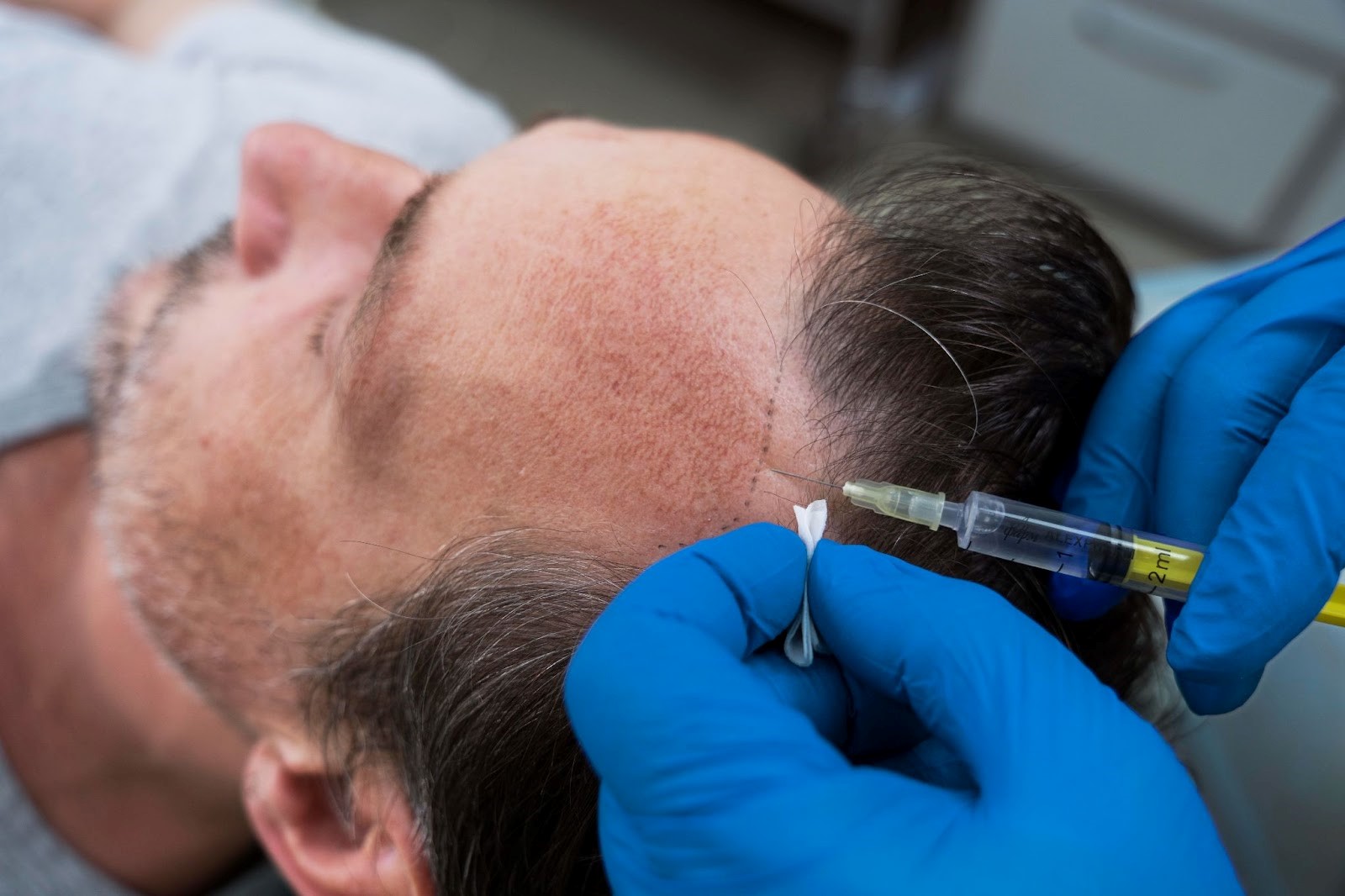
- Platelet-Rich Plasma (PRP) Therapy: This advanced treatment involves injecting a concentration of the patient’s own platelets into the scalp to stimulate follicle activity and hair regrowth.
When exploring these options, it’s important to consult with a healthcare professional to determine the most suitable approach for your specific needs and to ensure the safe and effective use of any treatments or products.
Hair Regrowth Myths Debunked
As with any health and beauty topic, there are countless myths and misconceptions surrounding hair regrowth. It’s important to separate fact from fiction to avoid wasting time and resources on ineffective or even harmful practices. Let’s debunk some of the most common hair regrowth myths:
- Myth: Shaving the Head Leads to Thicker Hair Growth: This is a common misconception. Shaving the head does not actually affect the thickness or growth rate of the hair.
- Myth: Stress is the Primary Cause of Hair Loss: While stress can contribute to hair loss, it is not the sole or even the most common cause. Underlying medical conditions, genetics, and hormonal imbalances play a much more significant role.
- Myth: Hair Loss is an Inevitable Part of Aging: While some degree of hair thinning may occur with age, significant hair loss is not a natural or unavoidable consequence of getting older.
- Myth: Dandruff Causes Hair Loss: Dandruff is a skin condition that can cause itching and flaking, but it does not directly lead to hair loss.
- Myth: Hair Transplants are the Only Permanent Solution: While hair transplants can be an effective option for some individuals, they are not the only permanent solution. Other treatments, such as laser therapy and PRP, can also promote long-term hair regrowth.
By understanding and dispelling these myths, you can focus your efforts on proven, science-backed methods for achieving the hair regrowth you desire.
Professional Hair Regrowth Options
For those seeking more advanced or specialized hair regrowth solutions, there are several professional treatments and procedures available. These options are often recommended for individuals with more severe or stubborn cases of hair loss. Some of the most notable professional hair regrowth options include:
- Hair Transplant Surgery: This surgical procedure involves transplanting healthy, growing hair follicles from one area of the scalp to the thinning or balding areas.
- Platelet-Rich Plasma (PRP) Therapy: As mentioned earlier, this treatment involves injecting a concentrated solution of the patient’s own platelets into the scalp to stimulate follicle activity and promote hair regrowth.
- Laser Therapy: Professional-grade low-level laser devices, such as those used in clinics or hair loss centers, can provide more powerful and targeted stimulation of the follicles.
- Prescription Medications: In some cases, healthcare professionals may prescribe medications like Minoxidil or Finasteride to address the underlying causes of hair loss and support regrowth.
- Scalp Micropigmentation: This non-invasive cosmetic procedure uses specialized techniques to create the appearance of fuller, thicker hair, effectively camouflaging areas of thinning or balding.
When considering professional hair regrowth options, it’s crucial to work closely with a qualified healthcare provider or dermatologist to ensure the safest and most effective treatment plan for your individual needs.
Maintaining Healthy Hair and Preventing Future Hair Loss
Once you’ve achieved the hair regrowth you’ve been seeking, the next step is to maintain the health and vitality of your hair. By adopting a comprehensive approach to hair care, you can prevent future hair loss and enjoy your luscious locks for years to come. Here are some key strategies for maintaining healthy hair:
- Gentle Hair Care Routine: Continue to use gentle, sulfate-free shampoos and conditioners, avoid excessive heat styling, and minimize the use of harsh chemical treatments.
- Scalp Nourishment: Incorporate scalp massages, hair growth serums, and other topical treatments to keep the scalp healthy and promote ongoing hair growth.
- Balanced Nutrition: Maintain a nutrient-rich diet that provides the essential vitamins, minerals, and proteins needed for strong, healthy hair.
- Stress Management: Continue to prioritize stress-reducing activities and practices to support the overall health and well-being of your hair.
- Regular Trims: Get regular trims to remove split ends and maintain the health and appearance of your hair.
By following these guidelines, you can protect your investment in hair regrowth and enjoy a lifetime of beautiful, vibrant hair.
Conclusion: Embracing Your Journey to Hair Regrowth
In conclusion, the path to hair regrowth may seem daunting, but with the right knowledge and approach, it is an achievable goal. By understanding the science behind hair growth, exploring natural remedies, and leveraging cutting-edge treatments, you can unlock the secrets to restoring your luscious locks.
Remember, your hair is a reflection of your overall health and well-being. By nurturing your scalp, nourishing your body, and addressing the underlying causes of hair loss, you can embark on a transformative journey towards the hair of your dreams.
Embrace this process with patience, persistence, and a positive mindset. With the right tools and strategies, you can reclaim your hair’s vitality and confidently showcase your beautiful, healthy locks to the world.
If you’re ready to take the first step towards restoring your luscious locks, I encourage you to schedule a consultation with a hair health specialist. They can help you identify the root causes of your hair loss and develop a personalized plan to achieve the hair regrowth you’ve been dreaming of. Don’t let hair loss hold you back any longer – embrace this journey and reclaim your confidence with a head full of healthy, beautiful hair.